There’s something easy to forget about the water system in a home or business: most of the time, it works quietly in the background. You turn on the tap, take a shower, fill a glass, and move on with your day. Because there’s usually no obvious sign of trouble, maintenance can end up at the bottom of the to-do list.
That’s understandable. Still, a little attention now can prevent frustrating problems later. Regular inspections, timely filter changes, cleaning, and professional servicing can help maintain water quality and protect equipment from unnecessary wear. It can also make everyday water feel noticeably better, from morning coffee to that first shower after a long day.
Small Maintenance Tasks Can Make a Big Difference
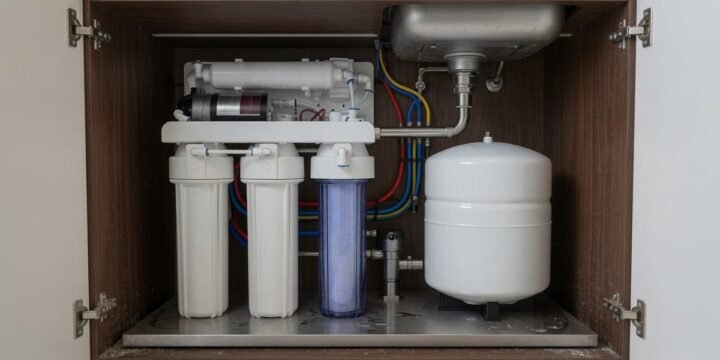
Water treatment and filtration systems contain several components that gradually collect sediment, minerals, and other unwanted material. Filters become loaded, connections can loosen, and moving parts may experience normal wear. None of this necessarily means the system is failing. It simply means the equipment needs attention.
Routine maintenance gives homeowners an opportunity to catch these minor issues before they become expensive repairs. A technician may notice reduced pressure, unusual sounds, leaks, or a filter that has reached the end of its useful life.
Ignoring those signs isn’t always dramatic at first. Water may still come out of the faucet, just not quite as well as before. Over time, though, a small problem can place additional strain on other components.
Better Water Starts With a Healthy System
Water quality is often judged by obvious things such as taste, smell, and appearance. If your drinking water suddenly tastes different, has an unusual odor, or leaves more residue around fixtures, the cause may deserve some investigation.
A properly maintained filtration system can help provide better-tasting water by keeping its filtration components working as intended. Depending on the system and the water source, treatment may address concerns such as chlorine, sediment, minerals, or other unwanted substances.
Of course, filtration isn’t a universal solution for every water-quality issue. Different water sources have different characteristics, which is why testing can be useful before choosing or adjusting a treatment system. Knowing what’s actually in the water makes maintenance decisions much more practical.
Don’t Wait Until Water Pressure Drops
One of the most common warning signs people notice is a change in water pressure. Sometimes the reason is simple: a filter is clogged or overdue for replacement. In other situations, the problem may involve plumbing, valves, pumps, or another part of the system.
This is where regular servicing earns its keep.
A professional can inspect the system and determine whether the pressure issue is related to filtration or something deeper. Trying to replace random parts without identifying the cause can become a frustrating game of trial and error.
It’s also worth paying attention to pressure changes that happen gradually. You may not notice a small reduction from one week to the next, but after several months, the difference can be surprisingly obvious.
Cleaner Water Depends on More Than a Filter
A filter is important, but it isn’t the entire story. Housings, fittings, tanks, pipes, and other components also need appropriate care. If one part of the system is neglected, the performance of the whole setup can suffer.
Regular maintenance helps support crisper, cleaner water by keeping filtration equipment functioning properly and reducing the chance that neglected components interfere with water quality.
The exact maintenance schedule varies. Some filters need attention every few months, while others are designed to last considerably longer. Usage, incoming water quality, household size, and system type all matter. Following the manufacturer’s recommendations is a good starting point, but unusual changes in water quality or system performance should never be ignored simply because the calendar says maintenance isn’t due yet.
Maintenance Can Help Prevent Premature Replacements
Replacing a water treatment system isn’t usually something anyone looks forward to. Depending on the equipment, replacement can involve the unit itself, installation costs, adjustments to plumbing, and time spent arranging the work.
Regular care may help avoid premature replacements by addressing wear and performance issues before they become severe. Think of it like servicing a car. Changing the oil doesn’t make an engine immortal, but skipping maintenance certainly isn’t doing it any favors.
The same basic principle applies to water equipment. Filters should be changed when required, components should be checked, and leaks should be dealt with promptly. A system that receives sensible care is generally in a better position to deliver reliable performance over its useful life.
Why Water Quality Matters for Everyday Living
Water isn’t just something we drink. We cook with it, wash food with it, bathe in it, clean with it, and use it throughout the home every single day.
That makes water quality relevant to more than convenience. Access to appropriately treated water supports household routines and can contribute to overall health, although the specific health benefits depend on the quality of the incoming water and the type of treatment being used.
For households relying on well water, maintenance can be particularly important because water characteristics may change over time. Testing can help identify changes that aren’t immediately visible. Municipal water users can also benefit from paying attention to changes in taste, odor, or appearance and checking their local water-quality information when concerns arise.
Know When to Call a Professional
Not every maintenance job requires a technician. Replacing an easily accessible filter according to the manufacturer’s instructions may be straightforward. But some situations are better left to trained professionals.
Consider professional help if you notice:
- Persistent leaks or moisture around equipment
- Sudden or unexplained pressure changes
- Unusual noises from pumps or treatment equipment
- Significant changes in taste, smell, or appearance
- Frequent filter clogging
- Equipment that stops operating correctly
- Water-quality concerns that aren’t resolved by routine maintenance
A professional inspection can also be useful when a system has been installed for several years or when you’re unsure whether its current setup still matches your household’s needs.
Keep the System in Top Condition, Not Just Working
There’s an important difference between equipment that technically works and equipment that performs well. A system can continue producing water while gradually becoming less efficient, less reliable, or less effective.
That’s why routine care should focus on keeping the system in top condition, rather than waiting for a complete failure. Simple habits—checking for leaks, following filter replacement schedules, monitoring water pressure, and arranging periodic inspections—can go a long way.
And perhaps that’s the biggest advantage of maintenance. It removes some of the guesswork. Instead of wondering whether that strange taste or weak pressure will eventually turn into a bigger problem, you can address it while the solution is still relatively simple.
Good water treatment doesn’t need to be complicated. With sensible maintenance and professional attention when needed, your system can remain dependable, efficient, and ready for the everyday demands of your home. Sometimes, taking care of the quiet things is what keeps everything else running smoothly.