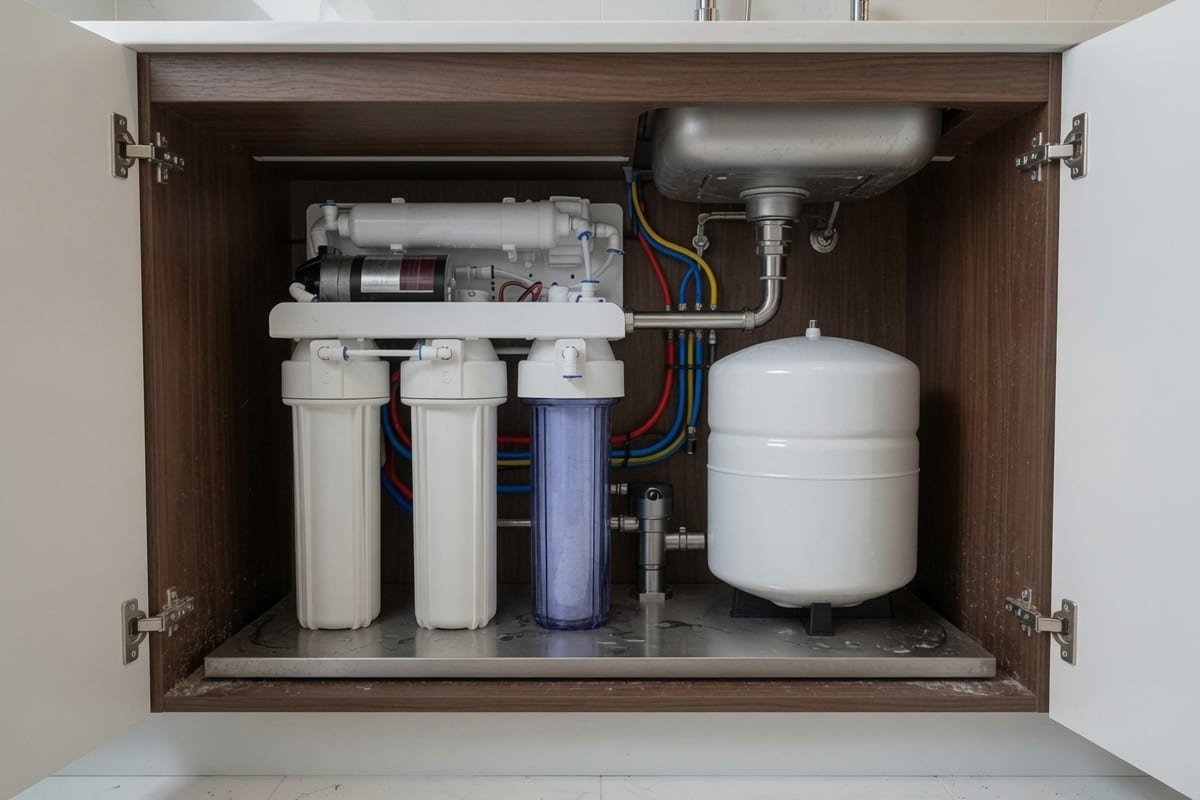
Buying a water treatment system can feel a little overwhelming. There are filters, softeners, reverse osmosis units, purification technologies, and plenty of manufacturers promising cleaner, safer, better-tasting water. Then come the technical terms—certifications, testing standards, performance claims, and approval seals. For the average homeowner, it’s not always obvious which details matter and which are simply part of the sales pitch.
That’s where trusted certification programs can help. A recognized seal of approval doesn’t mean a product solves every possible water problem, but it can provide useful evidence that the equipment has been evaluated against specific standards. Understanding what those marks represent makes it easier to compare products and choose a system based on facts rather than assumptions.
What Is the WQA and Why Does It Matter?
The Water Quality Association, commonly known as WQA, is an industry organization involved in water treatment education, professional development, and product certification. Its programs help establish confidence in equipment used for residential, commercial, and industrial water treatment.
When a product carries a WQA-related certification, it generally means the product or manufacturer has met particular requirements under a defined certification program. These requirements may relate to material safety, structural integrity, contaminant reduction, or other performance criteria.
The important point is that certification is specific. A seal should not be interpreted as a universal guarantee that a system removes every contaminant or works equally well in every home. Instead, it provides a documented basis for understanding what the product has been evaluated to do.
Understanding the Meaning Behind Two WQA Gold Seals of Approval
Manufacturers sometimes highlight two wqa gold seals of approval when discussing their product credentials. While this wording can sound impressive, consumers should look closely at what each seal represents.
A certification may apply to a particular product model, while another may relate to a different product, performance claim, or material safety requirement. In some cases, multiple certifications demonstrate that a company has pursued evaluation across more than one area of its business.
The practical lesson is simple: don’t stop at the number of seals. Ask what each one covers. Is it related to contaminant reduction? Does it confirm that materials are suitable for contact with drinking water? Does it apply to the exact model being considered? These questions turn a general marketing statement into useful information.
A credible manufacturer should be able to provide certification details, applicable standards, and documentation without making the customer feel as though they’re asking too much.
Certification Is Not the Same as a General Product Guarantee
It’s easy to assume that a certified system is automatically the best choice for every property. In reality, certification and suitability are two different things.
A system may be certified to reduce chlorine, for example, but that doesn’t necessarily mean it reduces nitrates, lead, bacteria, or PFAS. Another product may be certified for material safety but not for a specific contaminant reduction claim. The distinction matters because water quality problems vary widely from one location to another.
A private well may have concerns involving iron, sulfur odor, bacteria, or sediment. Municipal water may have chlorine, hardness, aging-pipe concerns, or other issues. The right system depends on the water source and the problem being addressed.
Certification helps establish whether a product meets a defined standard. Water testing helps determine whether that product is appropriate for the home.
How Certified Plumbing Seals Support Consumer Confidence
Water treatment equipment connects directly to a home’s plumbing, and the materials used in that equipment matter. Components such as housings, valves, fittings, tubing, and storage tanks may come into contact with treated water. Poor-quality materials can create safety concerns or reduce system reliability.
This is one reason certified plumbing seals and related product approvals can be important. They may indicate that components have been evaluated for specific safety, durability, or performance requirements. Such certifications can help buyers feel more confident that the equipment is designed for its intended use.
Still, homeowners should check whether the certification applies to the complete system or only to individual components. A certified fitting does not necessarily mean every part of a complete treatment setup has received the same evaluation.
The installer also plays a role. Even certified equipment can create problems if it is installed incorrectly, exposed to unsuitable pressure, or connected without following manufacturer instructions.
Why Water Treatment Performance Must Be Measured Carefully
The phrase water treatment performance can mean different things depending on the product. For a softener, performance may involve reducing hardness and preventing scale. For a carbon filter, it may involve reducing chlorine taste and odor. For reverse osmosis, it may refer to reducing dissolved substances from drinking water.
Performance claims should always be connected to measurable conditions. Look for information about:
- The contaminant being reduced
- The percentage or level of reduction
- The testing method used
- The flow rate during testing
- The expected filter or membrane life
- The water conditions under which the claim applies
These details help explain what customers can realistically expect. A system may perform very well under laboratory conditions but require regular maintenance to maintain that level of performance in daily use.
It’s also worth remembering that no filter lasts forever. As cartridges become saturated or membranes age, performance can decline. A certification is not a substitute for timely maintenance.
The Importance of Product-Specific Documentation
When researching a water treatment system, ask for documentation related to the exact model. Product brochures are useful, but certification listings, performance sheets, installation manuals, and maintenance instructions can provide a clearer picture.
Pay attention to model numbers. A manufacturer may offer several systems that look similar but use different filter media, membranes, flow rates, or internal components. Certification for one model should not automatically be assumed to cover another.
Documentation should also explain limitations. For example, a reverse osmosis unit may require adequate water pressure and pre-filtration. A UV system may need clear water because suspended particles can interfere with ultraviolet treatment. A softener may require salt, regeneration, and periodic servicing.
Honest limitations are not a weakness. In fact, they usually indicate that the manufacturer understands how the equipment works in real conditions.
Questions to Ask Before Purchasing
Before choosing a certified water treatment product, consider asking the supplier or installer these questions:
- What specific water issue is this system designed to address?
- Which organization issued the certification?
- What standard or testing requirement does the certification cover?
- Does the approval apply to the complete system or only certain components?
- Is the exact model listed in the certification documentation?
- What contaminants has the system been tested to reduce?
- What are the recommended maintenance and replacement intervals?
- What happens if the system does not perform as expected?
A reliable provider should answer these questions clearly. Be cautious of anyone who treats certification as a blanket promise or claims that one system can solve every water quality concern.
Making a Smarter Water Treatment Decision
Certification seals can be valuable tools when they are understood properly. They provide a way to distinguish documented product evaluation from unsupported marketing language. But they work best when combined with water testing, professional installation, realistic performance expectations, and regular maintenance.
Rather than choosing a system simply because it displays an impressive approval mark, look at the complete picture. Understand the water problem, review the exact certification, compare performance information, and confirm that the equipment fits your home’s plumbing and daily usage.
In the end, a seal of approval is most useful when it supports an informed decision—not when it replaces one. The goal is not just to buy a product with a certification label. It’s to choose a treatment system that delivers dependable results, uses appropriate materials, and continues working well for the people who rely on it every day.