You probably don’t think much about your water when you turn on the kitchen tap. It fills the kettle, rinses vegetables, and helps get dinner on the table. But when white marks appear on your glasses, the water starts smelling odd, or tiny particles show up in a freshly filled bucket, it’s hard not to wonder what’s going on.
Household water problems are surprisingly common, and they don’t all mean the same thing. Some affect taste, cleaning, and appliance performance, while others may signal a concern that deserves prompt attention. The trick is knowing which clues matter and what to do next.
Fortunately, you don’t need to understand every detail of water chemistry to make a sensible decision. By recognising common problems, checking your water source, and choosing treatment based on evidence, you can improve water quality without wasting money on equipment you don’t need.
Why Water Quality Can Change
Water quality depends on where your supply comes from, how it’s treated, and what happens as it travels through pipes and storage tanks. Municipal water is generally treated and monitored, but household plumbing and poorly maintained tanks can still influence what comes out of your tap.
Groundwater has its own challenges. As water moves through soil and rock, it can dissolve minerals and pick up naturally occurring substances. Local environmental conditions may also affect the quality of borewell or well water.
Sometimes the first warning is a change in appearance or taste. Other times, nothing seems unusual at all. That’s an important distinction because some harmful contaminants cannot be detected by sight, smell, or taste alone.
If you notice a sudden change, avoid assuming it’s harmless. Contact your water supplier when appropriate, and arrange testing if the cause isn’t clear. Understanding the source of a problem is usually more useful than immediately buying a filter.
The Trouble With Hard Water
Have you ever cleaned a bathroom tap, only to find pale, chalky marks returning a day or two later? Or perhaps soap refuses to lather properly, and your kettle develops a crusty layer inside. These are familiar signs of hardness, which usually results from dissolved calcium and magnesium in the water.
Hard water isn’t generally considered dangerous simply because these minerals are present. However, it can make everyday chores more frustrating. Mineral deposits may build up inside kettles, water heaters, showerheads, and pipes, reducing efficiency over time.
A simple hardness test can confirm whether calcium and magnesium are responsible. If the levels are high enough to cause persistent problems, a water softener may be worth considering. Most conventional softeners use ion exchange to replace calcium and magnesium ions with sodium or potassium ions.
Not every household needs one, though. If the water causes only minor spotting, regular cleaning and occasional descaling may be sufficient. A softener also doesn’t remove every contaminant, so it shouldn’t be treated as a complete drinking-water purification system.
Before investing in a unit, consider how severe the problem is, how much water your household uses, and what ongoing maintenance will involve.
When Tap Water Smells or Tastes Like Chemicals
A glass of water should feel refreshing, not leave you wondering whether you’ve accidentally taken a sip from a swimming pool. Yet some people notice a distinct chlorine taste/odor in their tap water, particularly when they’re sensitive to the smell.
Chlorine is widely used to disinfect municipal water and control harmful microorganisms. Its presence at an appropriate level can help protect water as it travels through distribution pipes. A noticeable smell doesn’t automatically mean the water is unsafe, although a sudden or unusually strong change deserves investigation.
For households bothered by the taste, an activated carbon filter may help. These filters can reduce chlorine and improve flavour when the product is designed for that purpose. They are available in countertop units, refrigerator filters, and under-sink systems.
Check the product specifications rather than relying on broad claims such as “advanced purification.” Different filters have different capabilities, and cartridges need to be replaced according to the manufacturer’s instructions.
If the smell affects only hot water, or if it appears alongside unusual colour or other changes, consider contacting a plumber or water supplier. The source may be related to the plumbing or water heater rather than the incoming supply.
What Causes Particles in Water?
Finding tiny grains or floating particles in a glass can be unpleasant, especially when you’re preparing food or making a cup of tea. Sometimes the cause is sediment, which may consist of sand, rust particles, or other material suspended in the water.
Sediment can enter a supply naturally or be stirred up by maintenance work, pressure changes, or disturbances in pipes. In homes that use storage tanks, accumulated material may also affect the water if cleaning and maintenance have been neglected.
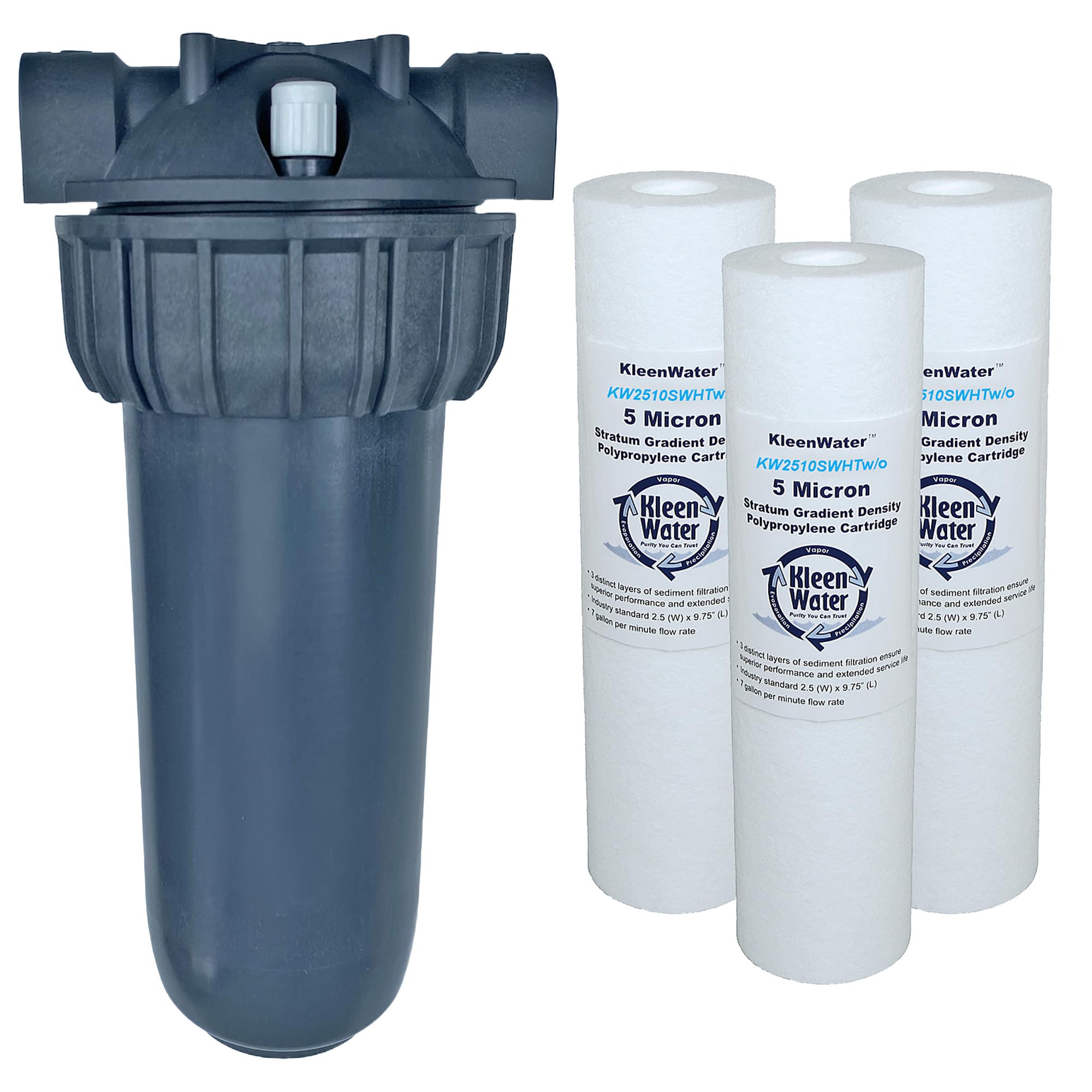
A sediment filter can capture particles within its rated filtration range. Some systems use a sediment pre-filter to protect other treatment components from clogging. However, the filter won’t necessarily remove dissolved chemicals, microorganisms, or substances that are too small for it to capture.
Pay attention to when the particles appear. If the problem starts after plumbing work, contact the relevant contractor or supplier. If water remains discoloured, contains unfamiliar particles, or changes suddenly, don’t rely on filtration alone to establish that it’s safe.
For private wells and borewells, testing can help determine whether the problem involves suspended particles, minerals, or another issue. The correct treatment depends on the findings.
Why Testing Is Worth the Effort
It’s tempting to choose a treatment system based on the problem you can see. Unfortunately, visible clues don’t tell the whole story. Clear water can still contain contaminants that require specific laboratory tests to detect.
Testing is especially important if you rely on a private well or borewell, have older plumbing, or notice unexplained changes. Depending on the source and local risks, a laboratory may recommend checking for microbial contamination, metals, nitrate, fluoride, or other substances.
For municipal supplies, reviewing the water supplier’s quality information is a useful first step. If a concern involves a particular contaminant, choose a test that measures it directly rather than relying on a general reading.
Home testing kits can be useful for preliminary checks, but their accuracy and scope vary. When a potential health risk is involved, a qualified laboratory provides a stronger basis for deciding what to do.
Choosing a Practical Treatment Solution
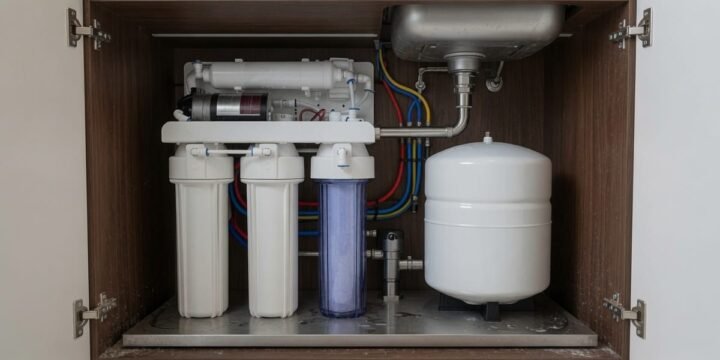
Once the problem is understood, compare treatment systems according to their tested capabilities. Activated carbon may improve taste, water softeners reduce hardness, and sediment filters capture suspended particles. Reverse osmosis can reduce many dissolved substances, while suitable disinfection systems address microbial risks.
These methods aren’t interchangeable. A filter that improves taste won’t necessarily remove metals, and a softener isn’t designed to disinfect contaminated water.
Look for independent certification relevant to the contaminant you’re trying to reduce. Consider the installation cost, replacement parts, water usage, and availability of maintenance support. A system that is difficult to maintain may not deliver the expected results over time.
Keeping Water Problems Under Control
Good water management often comes down to simple habits. Clean storage tanks regularly, repair leaking plumbing, replace filter cartridges on schedule, and keep records of test results. If you use a private water source, follow local guidance on routine testing and reassess the supply after flooding or other events that could affect it.
Most importantly, don’t let a sales pitch replace reliable information. A costly purifier isn’t automatically the right answer, and a basic filter isn’t automatically sufficient.
Understanding your water gives you a much better starting point. Whether you’re dealing with mineral deposits, an unpleasant taste, or particles in the supply, identify the cause before choosing a solution. With the right information and a little ongoing care, you can make everyday water use safer, simpler, and far less frustrating.