Most homeowners have a few jobs they keep putting off. The kitchen sink drains a little slower than it used to, the dryer seems to take forever to finish a load, or the gutters are overflowing whenever it rains. None of these issues may feel urgent at first. Life gets busy, and it’s easy to assume they’ll sort themselves out.
Unfortunately, small maintenance problems rarely improve by being ignored. A blocked drain can become a stubborn plumbing issue, lint buildup can create a fire hazard, and overflowing gutters may allow water to damage walls, foundations, and landscaping. The good news is that regular maintenance can help prevent many of these headaches before they turn into expensive repairs.
Three areas deserve particular attention in a well-maintained home: the drainage system, the dryer vent, and the gutters. They perform very different jobs, but they share one important purpose. Each helps move unwanted material, moisture, or heat away from places where it could cause trouble.
Keep Household Drains Flowing Properly
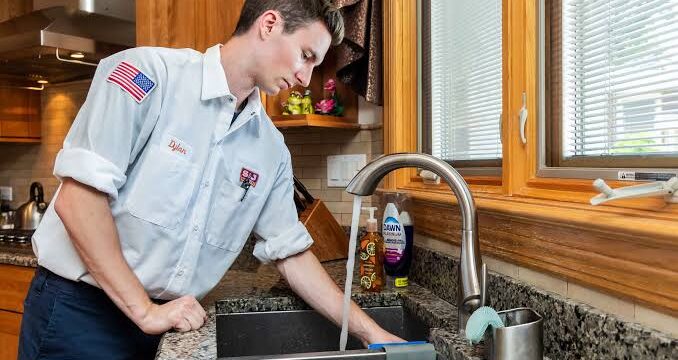
A slow drain is often the first sign that something isn’t quite right. Water may take longer to disappear from the bathroom sink, or the kitchen basin may begin holding water after washing dishes. Sometimes there’s an unpleasant smell, too. These symptoms can seem minor, but they’re worth investigating before the blockage becomes severe.
Professional drain cleaning can help remove accumulated grease, soap residue, hair, food particles, and other material restricting water flow. The right approach depends on the location and severity of the blockage. A simple obstruction near a sink may be manageable with basic cleaning, while a recurring blockage deeper in the drainage system may require specialised equipment.
Prevention starts with understanding what should and shouldn’t enter a drain. In the kitchen, avoid pouring cooking oil and grease into the sink. These substances can cool, stick to pipe walls, and trap other debris over time. Wipe greasy pans with a paper towel before washing them, and use a suitable sink strainer to catch food scraps.
Bathroom drains have their own challenges. Hair, soap residue, and grooming products can gradually collect around the drain opening. Cleaning the stopper and removing visible debris regularly may help keep water moving. In showers, a simple hair catcher can make routine maintenance considerably easier.
Be careful with chemical drain cleaners. Some products can damage certain pipes or fixtures, and mixing cleaning chemicals can release dangerous fumes. If a blockage persists, follow safe product instructions or contact a qualified plumber rather than repeatedly pouring chemicals down the drain.
Pay attention to warning signs beyond slow water flow. Several fixtures backing up at once, recurring blockages, gurgling sounds, or sewage odours may indicate a larger drainage problem. Stop using affected fixtures if wastewater is backing up and arrange a professional inspection.
A little attention goes a long way. Keeping drains clear isn’t especially glamorous, but it’s much easier than dealing with an unusable sink on a busy weekday morning.
Don’t Overlook the Dryer Vent
Laundry is one of those household routines that happens almost automatically. Clothes go into the dryer, the machine runs, and clean laundry comes out. Because the process feels straightforward, the vent system often gets little attention until drying times start increasing.
During normal operation, a dryer produces warm, moist air that must travel through a vent to the outdoors. Lint can accumulate in the lint screen, the duct, and the vent outlet. When airflow becomes restricted, the appliance may take longer to dry clothes and operate less efficiently. In some circumstances, accumulated lint also increases the risk of a dryer fire.
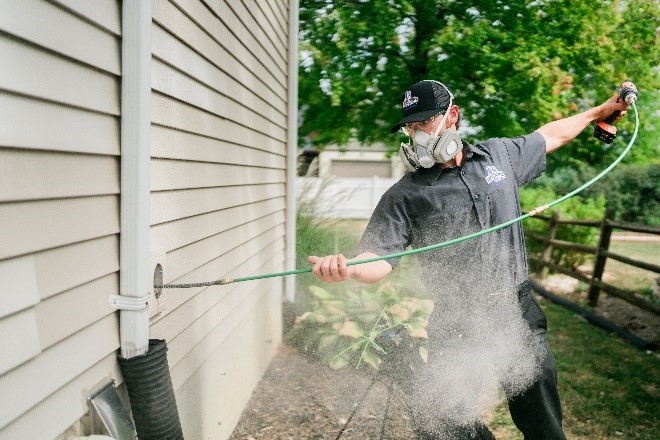
Regular dryer vent cleaning helps remove lint and debris from the exhaust pathway, allowing air to move as intended. Cleaning the lint screen after every load is an important first step, but it doesn’t replace periodic inspection and cleaning of the entire vent system.
Notice how your dryer behaves. If clothes remain damp after a normal cycle, the appliance feels unusually hot, or the outside vent flap barely opens when the dryer is running, restricted airflow could be part of the problem. A burning smell is especially concerning. Stop using the dryer if you suspect overheating or a blockage, and have it inspected before restarting it.
The vent’s design matters as well. Long ducts with several bends can make lint accumulation more likely, while crushed or disconnected ducts may interfere with airflow. Where possible, keep the vent route short and follow the appliance manufacturer’s installation requirements. Flexible ducts should be installed according to the manufacturer’s specifications, with materials suitable for dryer exhaust.
Homeowners may be able to remove accessible lint using appropriate tools, but cleaning a long or complicated duct can be difficult. A qualified professional can inspect the full route, check the exterior outlet, and identify damaged or improperly installed sections.
Avoid running a dryer when nobody is home or while everyone is asleep. Keep the area around the appliance clear of clutter, and never ignore repeated overheating or unusual smells.
These simple precautions support safer laundry habits and can help the appliance perform more reliably.
Protect Your Home by Keeping Gutters Clear
Gutters have a straightforward job: collect rainwater from the roof and direct it toward suitable drainage areas. When they’re working properly, they help prevent water from pouring over the roof edge and soaking the walls, paths, and ground around the house.
The trouble begins when leaves, twigs, dirt, and other debris collect inside the channels. Water can no longer move freely toward the downspouts, especially during heavy rain. Instead, it may overflow near doors, pool beside the foundation, or leave stains on exterior walls.
Routine gutter cleaning helps remove this debris and gives rainwater a clear route away from the property. Homes surrounded by mature trees may need more frequent attention than properties with few overhanging branches. Local weather, roof design, and the amount of nearby vegetation all affect how quickly gutters fill.
Look for warning signs after rainfall. Water spilling over the edge, plants growing inside the gutter, sagging sections, or visible staining below the roofline may indicate that cleaning or repairs are needed. Downspouts should also be checked because debris can collect near their openings and restrict the flow.
Safety should always come first. Gutters are often difficult to reach, and ladders can become unstable on uneven ground or near landscaping. If the roofline is high, the ground is slippery, or the gutters require extensive work, hiring a professional is usually the safer option. Never lean dangerously over the side of a ladder to reach another section.
Cleaning alone won’t solve every gutter problem. Loose brackets, leaking joints, poor slope, and damaged downspouts can prevent water from draining correctly even when the channels are clear. Have these issues repaired promptly, and make sure discharged water is directed away from the foundation in accordance with local drainage requirements.
Gutter maintenance may not be visible from inside the home, but it plays an important role in protecting the building’s exterior and surrounding ground.
Build Maintenance Into Your Regular Routine
The easiest way to stay ahead of these jobs is to make them part of a simple household maintenance calendar. Instead of waiting for a problem, set aside time to inspect drains, review dryer performance, and check gutters according to the season and conditions around your property.
Keep a short record of completed work and any recurring concerns. If the same drain repeatedly blocks, the dryer continues to overheat, or water still spills from a gutter after cleaning, the underlying cause may need professional attention.
It also helps to budget for maintenance rather than treating every service as an unexpected expense. A small, planned cost can be easier to manage than emergency repairs involving damaged pipes, appliances, or building materials.
A Little Prevention Makes Homeownership Easier
A comfortable home depends on many systems working quietly in the background. Drains carry wastewater away, dryer vents release heat and moisture, and gutters guide rainwater safely off the roof. Most days, these systems barely attract attention, which is precisely why they’re easy to forget.
Taking care of them doesn’t require a complicated plan. Watch for early warning signs, clean accessible areas safely, and call a professional when a problem goes beyond routine maintenance. By giving these three essential systems regular attention, homeowners can reduce avoidable risks, protect their property, and spend less time dealing with preventable household disruptions.