Water is one of those everyday essentials that rarely gets much attention until something feels wrong. A glass of water tastes unusual, mineral marks keep appearing around the kitchen faucet, or a water heater seems to be struggling with scale buildup. In a business, the effects can be even more noticeable, from cloudy glassware in a restaurant to equipment that needs cleaning more often than expected.
These problems don’t always call for a major investment. Sometimes the answer is a simple adjustment, a filter replacement, or a better understanding of the water entering the property. The key is knowing what you’re dealing with before choosing a solution. With appropriate testing, suitable equipment, and a little ongoing care, water quality can become one less thing to worry about.
Water Quality Isn’t the Same Everywhere
Water conditions can vary between neighborhoods and even between properties on the same street. The source of the water, local treatment processes, plumbing materials, and the condition of pipes can all influence the water that reaches a tap. That’s why a solution that works well for one household may not be the right fit for another.
Hard water is a common concern. It contains dissolved minerals, mainly calcium and magnesium, that can leave spots on glass, deposits around fixtures, and scale inside appliances. Hardness doesn’t automatically mean water is unsafe to drink, but it can make cleaning more difficult and increase maintenance needs.
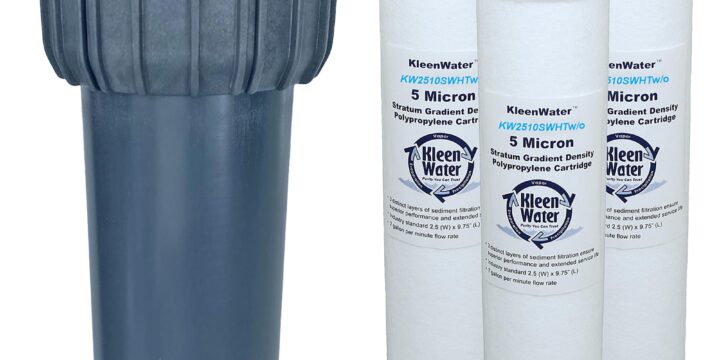
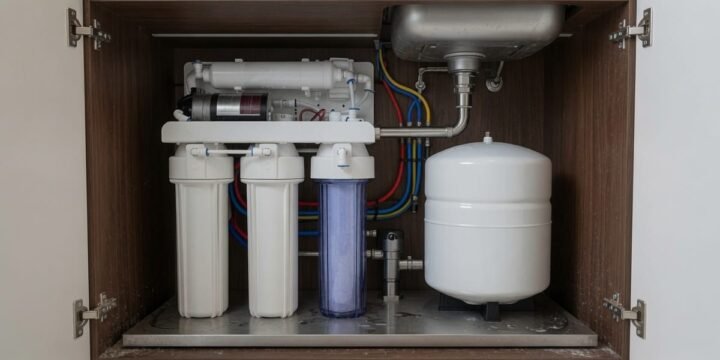
Other concerns may involve sediment, taste, odor, or specific substances that require testing. Different treatment technologies address different problems. A softener is designed primarily to reduce hardness minerals, while a filtration system may target particular contaminants or improve taste and odor, depending on its design.
Before buying equipment, take note of what you’ve noticed. Is the problem present at every faucet? Does it appear only when using hot water? Are there visible particles, an unusual smell, or just mineral residue? These details help narrow down the possibilities.
A Practical Approach to Water Testing
It’s easy to guess what might be wrong with water, especially when a familiar problem keeps returning. But guessing can lead to spending money on equipment that doesn’t solve the issue. Testing gives you a more useful starting point.
A water quality assessment can measure selected characteristics such as hardness, pH, or chlorine, depending on the service. If a provider offers a free screening, ask what it covers and whether the results will be explained clearly. A basic test does not necessarily check for every possible contaminant, so specific safety concerns may require additional laboratory analysis.
For private wells, regular testing is particularly important because water quality can change with weather, nearby land use, and other environmental conditions. Follow local recommendations for which substances to test and how frequently testing should take place.
Once the results are available, ask what they mean for your property. A responsible provider should connect its recommendations to the findings and explain any limitations. If the results don’t point to a significant issue, you may not need new equipment at all. Sometimes reassurance and a maintenance plan are more useful than a new purchase.
Solutions for Homes and Commercial Properties
Households and businesses often have different priorities. A family may be concerned about drinking water taste, shower residue, or the effect of hard water on laundry. A restaurant might focus on glassware, cooking equipment, and reliable water flow. An office may want to improve drinking water access for staff and visitors.
For homes, the right solution depends on the identified concern and daily water use. A drinking-water filter may suit a kitchen where taste is the main issue, while a softener could be more appropriate for a property with persistent hardness problems. Whole-house systems may be worth considering when treatment is needed at multiple fixtures.
Commercial properties need a similarly careful assessment. Equipment capacity, operating hours, water demand, and downtime all matter. A system that works well for a small office may not handle the needs of a busy restaurant or larger facility. Business owners should also consider who will monitor the equipment and how maintenance will be scheduled without interrupting normal operations.
The goal is to select a system based on actual needs, not simply the number of features it offers.
Local Support Makes Water Care Easier
For property owners serving homes and businesses across virginia & dc, practical support means understanding that water concerns differ from one building to another. A private home, an older commercial property, and a newly renovated office may have different plumbing layouts and water-use patterns. Recommendations should account for those differences rather than relying on a one-size-fits-all approach.
When evaluating a water treatment provider, ask about its assessment process, installation experience, service coverage, and availability of replacement parts. It’s also helpful to understand how the provider handles questions after the system is installed. Clear communication can make routine ownership much less stressful.
Before agreeing to a service, request a written estimate that separates equipment, installation, and any ongoing costs. Find out what the warranty covers and whether service visits are included. These details make it easier to compare options fairly and avoid unexpected expenses later.
Why Installation and System Checks Matter
Even suitable equipment can perform poorly if it’s installed incorrectly. Connections need to be secure, the system must be configured according to the manufacturer’s instructions, and the installation location should allow access for future servicing.
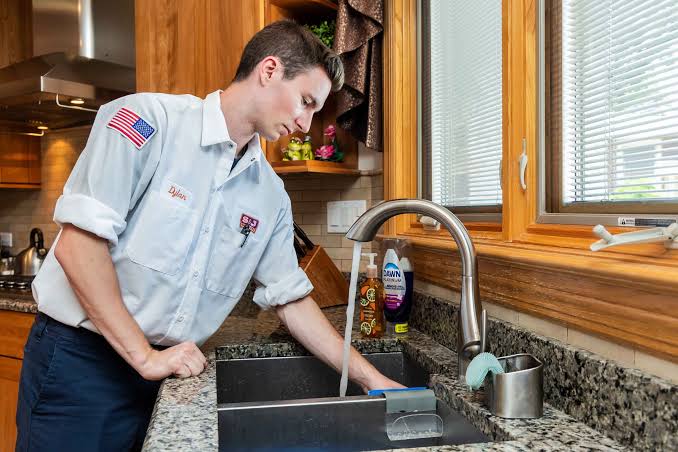
A professional installation should include an explanation of how the system works and what maintenance it requires. Ask whether the technician will check for leaks, verify normal operation, and demonstrate how to replace filters or recognize service indicators. If the equipment needs a drain, electrical outlet, or specific water pressure, confirm those requirements before installation day.
After the system has been running for a while, a system tune-up can help assess whether it continues to operate as intended. Depending on the equipment, this may involve checking settings, inspecting connections, reviewing filter condition, or verifying that a softener is regenerating correctly. A tune-up isn’t a guarantee that every problem will be found, but it can provide an opportunity to address wear or performance changes before they become more disruptive.
Ongoing Maintenance Protects Your Investment
Water treatment equipment doesn’t look after itself. Filters eventually need replacement, softeners may require salt, and some systems need periodic cleaning or inspection. The exact schedule depends on the model, water conditions, and how heavily the equipment is used.
Keep a simple record of service dates and follow the manufacturer’s recommendations. Check occasionally for leaks, changes in water pressure, or a return of the problem the system was installed to address. If something changes suddenly, don’t assume the filter is always to blame. The water supply or household plumbing may also be involved.
Commercial operators should make maintenance part of their normal facilities plan. Scheduled inspections and clear records can help teams anticipate service needs and reduce the risk of unexpected interruptions.
Making a Confident Choice
Improving water quality doesn’t have to be complicated. Start with the concern, test appropriately, and compare solutions that address the actual findings. Consider installation quality, ongoing costs, and service availability alongside the initial price.
Whether you’re caring for a family home or managing a business, the most useful system is one that meets your needs and can be maintained properly. If your goal is to improve your water, begin with reliable information rather than broad promises. Ask questions, understand what the equipment can and cannot do, and choose a solution that makes sense for the way you use water.
Water supports countless everyday tasks, from making morning coffee to keeping commercial equipment running smoothly. With a thoughtful plan and dependable support, better water can become a practical part of everyday life rather than a recurring problem.