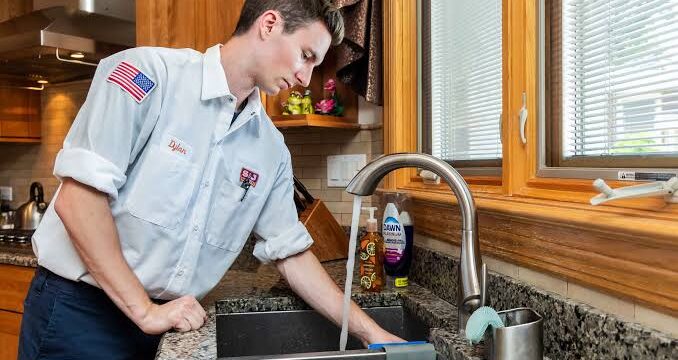
Clean drinking water is something most of us take for granted until it starts tasting strange, leaves mineral deposits in a kettle, or raises questions about what’s actually coming out of the tap. Even water that looks perfectly clear can contain dissolved minerals, unwanted chemicals, and other impurities that aren’t visible to the naked eye. That’s why understanding how water filtration works has become increasingly important for homeowners who want better water for drinking, cooking, and everyday use.
Among the available treatment options, reverse osmosis has earned a strong reputation for its ability to reduce many common contaminants. However, choosing the right system involves more than buying a filter and connecting it to a faucet. Water quality, household needs, maintenance, and installation all deserve a little thought.
What Makes Reverse Osmosis Different?
Traditional water filters often use activated carbon or sediment cartridges to capture particles, improve taste, and reduce certain substances. These filters can be highly effective for their intended purposes, but they don’t all address the same water quality concerns.
Reverse osmosis works through a more specialized process. Water is pushed under pressure through a fine filtration barrier that allows water molecules to pass while restricting many dissolved substances. Depending on the membrane and system design, the process can reduce various dissolved salts, certain metals, and other contaminants.
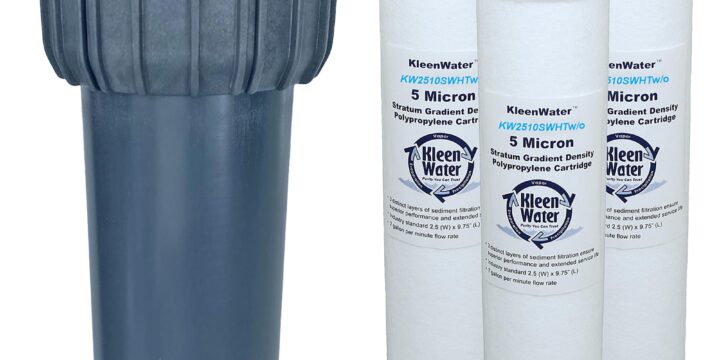
A reverse osmosis drinking water system typically combines several treatment stages rather than relying on a single filter. A sediment filter may catch dirt and rust, while activated carbon helps reduce chlorine and unpleasant odors. The reverse osmosis membrane then performs the primary separation, and some systems include a final polishing filter to improve taste.
This layered approach matters because each component has a different job. It also means that the quality of the finished water depends on the system’s design, the incoming water, and whether its filters are maintained properly.
How Semipermeable Membranes Help Clean Water
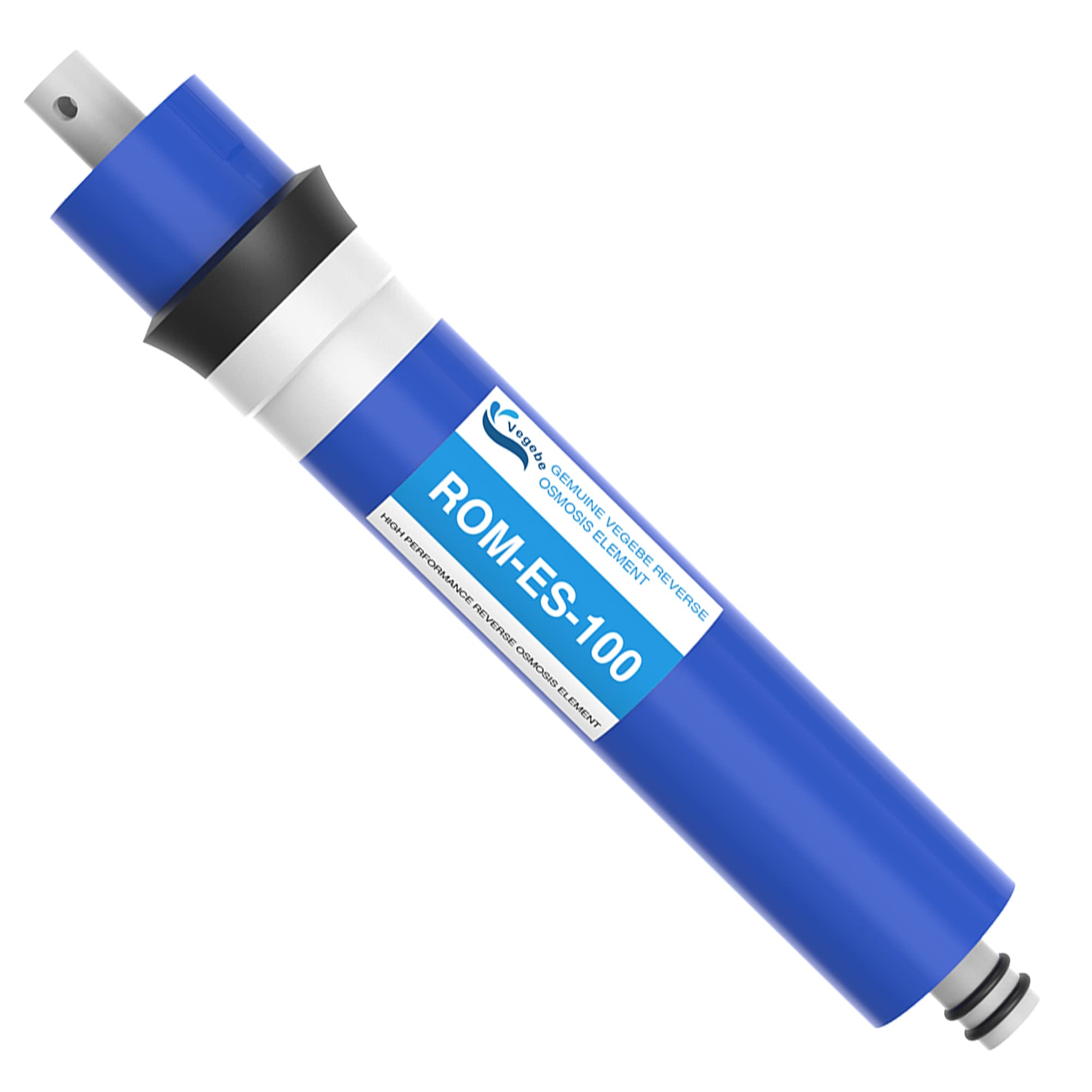
The membrane is the heart of a reverse osmosis unit. These specialized barriers have extremely fine structures that allow water to pass while rejecting a significant proportion of dissolved substances. The process relies on pressure to move water in the direction needed for treatment, overcoming the natural tendency of water to move through a membrane toward a more concentrated solution.
In practical terms, semi-permeable membranes help separate treated water from a concentrated stream containing rejected substances. That concentrated stream, often called brine or reject water, is usually sent to a drain in conventional household systems.
The amount of contamination removed varies. Reverse osmosis can reduce many dissolved salts and certain contaminants, but performance depends on membrane quality, water pressure, temperature, and the chemistry of the source water. Not every membrane removes every substance equally well.
For this reason, it’s worth checking the manufacturer’s performance data rather than assuming all systems offer identical protection. Independent certification, such as applicable NSF/ANSI standards, can also help consumers compare products and understand which specific contaminant reduction claims have been verified.
Finding the Right System for Your Household
Not every home needs the same treatment setup. A household using municipal water may want to improve taste and reduce particular contaminants, while a property supplied by a private well may need a broader assessment before choosing equipment.
Modern drinking water systems come in several configurations, including countertop filters, under-sink units, whole-house filtration equipment, and reverse osmosis installations. Each option serves a different purpose.
Under-sink reverse osmosis systems are popular because they provide treated water at a dedicated faucet without taking up much visible space. Some models connect to a storage tank, while newer tankless designs use a compact layout and produce water on demand. Countertop systems can be useful for renters or people who prefer a less permanent installation.
Whole-house systems take a different approach. They’re designed to treat water entering the property, making them suitable for concerns affecting showers, laundry, plumbing fixtures, and appliances. However, a whole-house filter isn’t automatically a replacement for drinking-water treatment. The right solution depends on which contaminants are present and where treatment is needed.
Before purchasing equipment, consider household size, daily water consumption, available installation space, and expected maintenance costs. A system that suits a couple living in an apartment may not be ideal for a busy family with higher water demands.
Why Water Testing Should Come First
It’s tempting to choose a filtration system based on online reviews or a neighbor’s recommendation. But water quality can vary significantly, even between homes in the same area.
A water test provides a clearer starting point. Depending on the water source and local concerns, testing may examine hardness, pH, dissolved solids, nitrate, iron, lead, or other relevant substances. Private well owners may need additional testing for microbiological contamination and region-specific groundwater risks.
Municipal water customers can review their supplier’s water quality report, but that report doesn’t necessarily describe conditions inside an individual property’s plumbing. Older pipes, fixtures, and household plumbing materials can introduce problems after water leaves the treatment facility.
Once the results are available, a qualified water treatment professional can help identify suitable equipment. Reverse osmosis may be appropriate for certain dissolved contaminants, while activated carbon, water softening, ultraviolet disinfection, or other technologies may be better suited to different issues.
The important thing is to match the treatment method to the actual problem instead of paying for features that provide little benefit.
Understanding Maintenance and Everyday Costs
Even a well-designed filtration system needs regular attention. Sediment and carbon prefilters typically require replacement at intervals specified by the manufacturer. Reverse osmosis membranes generally last longer, although their service life depends on incoming water quality, usage, and maintenance.
Ignoring replacement schedules can reduce performance, affect water taste, and potentially damage other components. Some systems include filter-life indicators or alerts, which can make maintenance easier to manage.
Water efficiency is another consideration. Conventional reverse osmosis systems discharge some water during treatment, and the amount varies by design and operating conditions. Newer models may offer improved recovery rates, but consumers should compare published specifications carefully.
There are also ongoing expenses beyond replacement filters. Installation, plumbing adjustments, sanitization, and occasional service visits can add to the total cost of ownership. A cheaper unit may be perfectly adequate for a small household, but a more expensive model might offer better performance data, easier maintenance, or a stronger warranty.
Think about the long-term picture, not just the price on the box.
Better-Tasting Water and Responsible Use
One noticeable benefit of effective drinking-water treatment is improved taste and odor. Reducing chlorine and certain dissolved substances can make water more pleasant to drink, brew coffee with, and use in recipes. Still, taste alone isn’t a reliable measure of safety. Harmful contaminants may be present without producing any obvious change in appearance or flavor.
Reverse osmosis also reduces some naturally occurring minerals, which can change the taste of water. Some systems include remineralization cartridges to add selected minerals back into the treated water. These features may appeal to people who prefer a particular taste, although their value depends on personal preference and the overall water quality.
It’s equally important to follow installation instructions, use compatible replacement filters, and keep the dispensing faucet and surrounding components clean. Good maintenance supports consistent performance and helps protect the quality of the water after treatment.
Making a Confident Choice
Choosing a drinking water treatment system doesn’t have to be complicated, but it shouldn’t be based on marketing promises alone. Start with your water source, identify the contaminants that matter, and compare systems using reliable performance information. Consider installation requirements, filter availability, water waste, and long-term costs before making a decision.
Reverse osmosis can be an excellent option for households that need to reduce certain dissolved contaminants and improve drinking-water quality. In other situations, a simpler filter or a combination of treatment technologies may be more appropriate.
Ultimately, the best system is the one that addresses your specific water concerns without adding unnecessary expense or complexity. With sound testing, sensible product selection, and consistent maintenance, cleaner and better-tasting water can become an ordinary part of everyday life rather than another household worry.