There’s something satisfying about coming home after a long day and pouring yourself a cold glass of water. It’s a simple pleasure, really. But when that water has an unpleasant smell, a strange aftertaste, or a slightly metallic flavor, reaching for a bottled alternative becomes tempting.
Over time, buying bottled water can become expensive and inconvenient. Not to mention the growing collection of empty plastic bottles that somehow never seems to disappear.
Improving the water available directly from your kitchen faucet offers a practical alternative. With suitable treatment equipment, homeowners can address specific water quality concerns while making drinking, cooking, and preparing beverages a more enjoyable experience.
Why Your Drinking Water Deserves More Attention
Water is an essential ingredient in practically everything prepared in the kitchen. Think about your morning coffee, homemade soup, freshly cooked rice, or even the ice cubes in your favorite summer drink.
The characteristics of your tap water can influence how these things taste.
Modern drinking water systems offer homeowners different ways to address unpleasant flavors, odors, suspended particles, and certain dissolved contaminants.
Some equipment focuses primarily on improving taste, while other technologies provide more extensive treatment for specific substances.
The important thing is knowing what you’re trying to accomplish. Water that tastes unpleasant isn’t necessarily unsafe, and clear, pleasant-tasting water isn’t automatically free from harmful contaminants.
Reliable testing helps separate personal preferences from concerns that may require additional attention.
The Convenience of Filtered Water in Your Kitchen
Anyone who’s carried heavy packages of bottled water from the grocery store knows how inconvenient the routine can become. There’s the expense, the storage space, and the seemingly endless recycling.
Having better drinking water at your sink can simplify those everyday routines by providing convenient access to appropriately treated water whenever you need it.
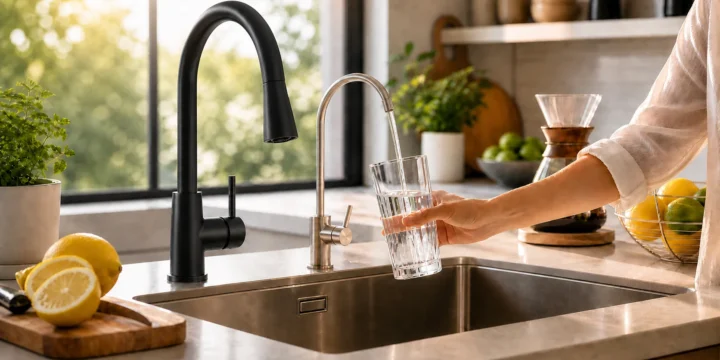
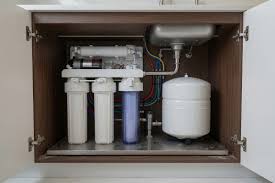
Under-sink filtration equipment is particularly appealing because it usually remains hidden inside a kitchen cabinet. Many installations include a dedicated faucet, leaving the main kitchen tap available for ordinary household activities.
Filling reusable bottles before leaving for work becomes easier. Preparing dinner doesn’t require opening another plastic bottle.
These small conveniences might not seem especially significant at first, but they can make a real difference over months and years.
How Reverse Osmosis Technology Works
Among the various drinking water treatment technologies available, reverse osmosis stands out for its ability to reduce many dissolved substances.
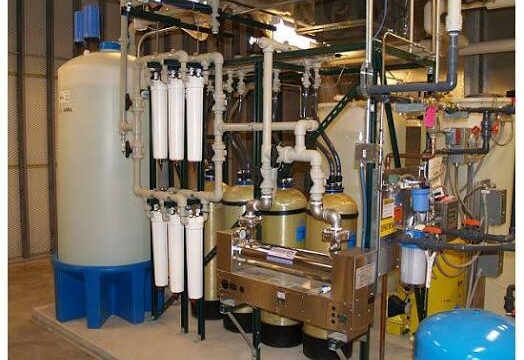
Residential reverse osmosis systems typically use water pressure to move water through a semipermeable membrane, separating treated water from a concentrated stream containing rejected substances.
Depending on the equipment’s design and verified performance, this process can reduce contaminants such as lead, nitrates, and dissolved salts.
Many units also incorporate sediment and carbon filters to protect the membrane and improve certain taste characteristics.
However, reverse osmosis isn’t without considerations. It produces a wastewater stream, requires periodic maintenance, and may reduce naturally occurring minerals along with unwanted substances.
Understanding these details helps homeowners decide whether the technology is suitable for their particular needs.
Can Filtered Water Make Your Food Taste Better?
It’s surprising how easily people overlook water when investigating why a favorite recipe doesn’t taste quite right.
You might purchase expensive coffee beans, experiment with different brewing methods, or invest in a better coffee maker. Yet the water itself could be influencing the final result.
Certain disinfectant-related flavors and mineral concentrations can affect the taste of beverages and cooked foods.
Appropriate treatment may help create a more neutral flavor, allowing other ingredients to stand out. Coffee enthusiasts, in particular, may appreciate controlling water composition, although some minerals remain desirable for brewing.
The difference ultimately depends on your original water quality, treatment method, and personal preferences.
Sometimes, improving a familiar recipe starts with reconsidering its simplest ingredient.
Choosing Between Different Drinking Water Filters
Not every household requires advanced purification equipment. Some water quality concerns can be addressed with relatively straightforward filtration.
Activated carbon filters are commonly used to reduce chlorine-related tastes and odors. Sediment filters capture suspended particles, while membrane-based treatment can reduce specific dissolved contaminants.
When comparing products, pay attention to independently certified performance claims rather than impressive marketing descriptions.
Also, consider your available kitchen space, daily consumption, incoming water pressure, and replacement filter costs.
A household that regularly prepares large meals may have different requirements from someone living alone.
There’s no benefit in purchasing a complicated system simply because it offers more treatment stages. What matters is whether those stages address your actual water quality concerns.
Looking Beyond the Initial Purchase Price
The cost of drinking water treatment involves more than buying and installing equipment.
Replacement cartridges, membrane servicing, water consumption, and occasional professional maintenance can influence long-term expenses.
Some homeowners may offset these costs by purchasing less bottled water. Others simply appreciate the convenience of having treated water readily available.
Before committing, ask about replacement component availability and maintenance schedules.
Keeping Your Drinking Water Equipment Reliable
Filters eventually reach their treatment capacity, and membranes require periodic replacement. Following manufacturer recommendations helps maintain equipment performance.
Don’t rely entirely on taste to determine whether a filter is still effective. Some changes in treatment performance aren’t immediately noticeable.
Periodic testing may help verify that the equipment continues addressing your original concerns.
A Simple Change That Can Make Everyday Life Better
Improving your drinking water doesn’t have to become a complicated household project. Start with reliable information, choose treatment equipment carefully, and keep up with routine maintenance.
There’s genuine value in being able to walk into your kitchen, fill a glass, and enjoy the water without an unpleasant aftertaste.
Sometimes, the most worthwhile improvements aren’t the ones that attract attention. They’re the little things that make everyday living more convenient, comfortable, and enjoyable.