Your tap water might look perfectly clear, but appearance alone doesn’t tell the whole story. Dissolved minerals, chlorine, and other substances can affect water quality without producing immediately noticeable changes in color or clarity.
Perhaps you’ve been dealing with stubborn deposits around your bathroom faucets, an unusual taste in your morning coffee, or laundry that feels rough even after using a quality detergent. These everyday frustrations could be connected to your water supply.
For homeowners throughout Silicon Valley and the Bay Area, understanding household water conditions is an important first step toward finding effective treatment solutions.
Rather than purchasing filtration equipment based on guesswork, arranging a professional water assessment can provide useful information about your existing water quality and help you make a more confident investment.
Discover the Advantages of Testing Your Water at Home
Many homeowners postpone investigating water quality because they assume testing will be expensive or inconvenient. However, getting an initial understanding of your water conditions may be easier than expected.
Taking advantage of free home water testing, when available through a treatment provider, offers a convenient opportunity to identify selected water quality concerns without an immediate financial commitment.
A preliminary assessment may examine hardness, chlorine levels, pH, and total dissolved solids, depending on the testing services provided.
These findings can help explain some of the persistent problems you’ve noticed around your property.
For example, elevated calcium and magnesium concentrations could contribute to white deposits on showerheads and cloudy spots on freshly washed glasses.
An initial assessment also provides an opportunity to discuss your household’s water consumption, plumbing conditions, and treatment preferences.
However, basic testing doesn’t necessarily identify every potentially harmful substance. More comprehensive laboratory analysis may be required when specific contamination concerns exist.
Understanding the limitations of preliminary testing helps homeowners determine whether further investigation or specialized treatment is appropriate.
Getting familiar with your water supply today could help you avoid unnecessary equipment purchases and recurring maintenance expenses tomorrow.
Why Working With Experienced Water Treatment Professionals Matters
Water treatment can become surprisingly complicated when you start comparing filtration technologies, equipment capacities, and contaminant reduction claims.
What works perfectly for one household might not deliver the same results for another.
Consulting local water experts can help homeowners navigate these decisions by considering regional water sources, property characteristics, and individual treatment requirements.
For instance, two neighboring households may experience different water quality concerns because of variations in plumbing materials, equipment condition, or water supply arrangements.
An experienced professional can evaluate these differences and explain which treatment methods deserve consideration.
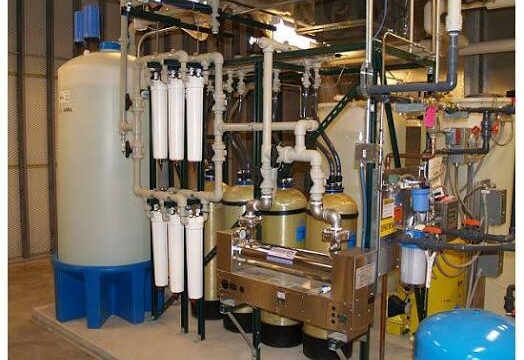
Water softeners, activated carbon filters, sediment filtration equipment, and reverse osmosis technology all serve different purposes.
A knowledgeable technician should explain these distinctions in understandable terms rather than overwhelming you with technical terminology.
Local professionals may also be familiar with regional water quality reports and common treatment challenges experienced by residents throughout Silicon Valley and the Bay Area.
Before selecting a provider, ask about relevant qualifications, testing procedures, installation experience, and ongoing maintenance support.
A dependable professional should prioritize understanding your concerns before recommending equipment.
Good water treatment begins with an accurate assessment, not simply an attractive sales presentation.
Make Informed Purchasing Decisions Without Unnecessary Pressure
Buying water treatment equipment represents a meaningful household investment. Naturally, you want to feel confident that the system you select will address your actual concerns.
Arranging free water testing can provide a useful starting point for comparing treatment options and understanding whether additional equipment or more detailed analysis is necessary.
Imagine purchasing an expensive drinking water filter because you’re frustrated with mineral buildup around bathroom fixtures. Although the filter might improve water taste, it wouldn’t necessarily address excessive hardness throughout your property.
An appropriate assessment could help you avoid this kind of unnecessary spending.
Testing results can also provide a foundation for discussing equipment capacity, installation requirements, and anticipated maintenance expenses.
Homeowners should ask for clear explanations of their findings rather than interpreting unfamiliar measurements independently.
It’s equally important to understand that elevated mineral concentrations don’t automatically indicate a health hazard, and a low dissolved solids reading doesn’t guarantee safe drinking water.
If potentially harmful contaminants are suspected, independent laboratory testing and appropriately certified treatment equipment deserve consideration.
A transparent assessment empowers you to compare available solutions without feeling pressured into making an immediate purchase.
Recognizing Everyday Signs That Your Water Needs Attention
Water quality concerns often reveal themselves through small but persistent household inconveniences.
Pay attention to common indicators such as:
- White mineral deposits around faucets and showerheads.
- Unpleasant tastes or odors in drinking water.
- Cloudy spots on dishes and glassware.
- Difficulty producing a satisfactory soap lather.
- Visible sediment or unusual water discoloration.
- Recurring scale accumulation inside household appliances.
These symptoms may have several underlying causes, which is why appropriate testing is particularly valuable.
Some contaminants have no noticeable taste, smell, or color, making visual observations insufficient for determining drinking water safety.
Reliable testing provides a more informed foundation for treatment decisions.
Explore Treatment Solutions That Address Your Specific Concerns
Once you understand your water conditions, choosing suitable treatment equipment becomes considerably easier.
Water softeners primarily reduce calcium and magnesium concentrations associated with hardness.
Activated carbon filters may help address chlorine, unpleasant odors, and certain unwanted substances, while sediment filters capture suspended particles.
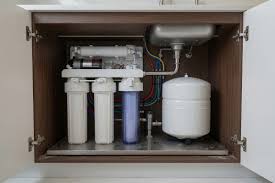
Reverse osmosis equipment uses membrane technology to reduce many dissolved contaminants, depending on its design and certified capabilities.
Some households may benefit from combining complementary treatment technologies, while others might require only a single system.
Consider your household’s consumption patterns, available installation space, water pressure, and ongoing maintenance requirements before making a purchase.
The right solution should address your genuine concerns without introducing unnecessary complexity.
Continue Monitoring Your Water Quality After Installation
Water treatment doesn’t end once new equipment is installed.
Periodic testing can help verify that your system continues addressing its intended treatment objectives.
Replace filtration cartridges and reverse osmosis membranes according to manufacturer recommendations. If you use a traditional water softener, maintain appropriate salt levels and monitor treatment performance.
Keeping a record of servicing appointments and test results can make future maintenance easier to manage.
Consistent care helps protect your investment while supporting dependable treatment results.
Take the First Step Toward Better Household Water
Improving water quality begins with understanding the water you already use every day.
For homeowners throughout Silicon Valley and the Bay Area, professional assessments and thoughtful equipment selection can help address persistent water quality frustrations.
Instead of repeatedly dealing with stubborn mineral deposits, unpleasant tastes, or unnecessary appliance maintenance, investigate the underlying causes.
After all, better water starts with reliable information. Taking that first step can lead to more enjoyable daily routines, greater household convenience, and increased confidence in your water treatment decisions.