
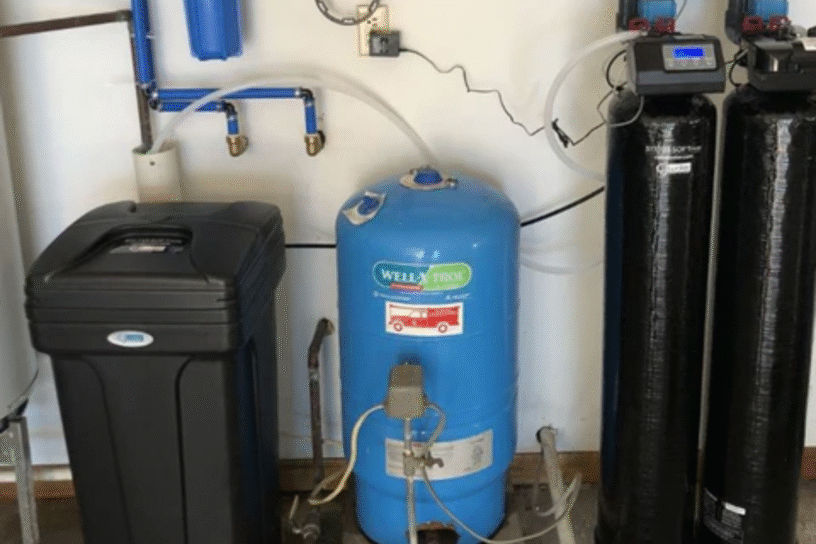



There’s something comforting about soft water. The way it rinses clean, how your skin doesn’t feel like sandpaper after a shower, and how your glassware sparkles without effort. But behind all that luxurious water lies one humble hero — your water softener’s brine tank. And like any hero, it needs a little care every now and then.
If you’ve never cleaned your brine tank (or even thought about it), don’t worry. You’re not alone. Most people forget it exists until something goes sideways — like your water feels off, your appliances get cranky, or that crusty salt sludge starts taking over. But here’s the good news: a little bit of maintenance goes a long way.
Let’s get into the nitty-gritty of water softener brine tank cleaning — without sounding like an instruction manual written in robot.
So, What Exactly Is a Brine Tank?
Picture this: your water softener is a two-part system. One tank does the work (removing minerals from your water), and the other — the brine tank — helps it recover. The brine tank holds salt and mixes it with water to create a strong saltwater solution (the brine) used to regenerate the resin beads in the main tank. Think of it like a power nap for your softener.
Over time, though, stuff starts building up: leftover sediment, crusty salt bridges, smelly gunk. And that build-up can mess with the entire system’s mojo.
Red Flags: When Your Tank Is Begging for a Cleanup
Your brine tank won’t call you up and complain. But it will drop hints if you’re paying attention:
- You suddenly feel like you’re showering in lake water again
- The salt isn’t going down, even though you haven’t refilled in weeks
- There’s a thick, crusty layer floating on top
- It smells… off (you know the smell)
If any of that sounds familiar, it might be time to figure out how to clean brine tank properly — before things get worse.
Prep Time: What You’ll Need
This isn’t a full-blown DIY renovation. No need for power tools or a professional plumber. Just a little bit of patience, a bucket, and a few basic items:
- A broomstick or long spoon (for breaking up salt bridges)
- A small bucket or container
- Dish soap or mild cleaner
- A soft brush or rag
- Optional: bleach (a splash, not a jug)
Step one? Turn off your water softener and unplug it. You don’t want it kicking into regeneration mode mid-clean. Then, engage the bypass valve so water stops flowing into the softener.
Step-by-Step: Let’s Clean That Tank
- Scoop Out the Salt
If the tank has a lot of salt, remove it — even if it looks fine. It’s probably sitting on a layer of sludge underneath. If the salt has formed a hard crust, use your stick or spoon to gently break it up. - Drain the Water
Use a cup, sponge, or wet/dry vacuum to get out the remaining brine water. (Fair warning: it’s salty and smells weird. That’s normal.) - Scrub It Down
Now it’s time for the fun part: cleaning. Use warm, soapy water and a soft brush or sponge to clean the inside walls and bottom. Don’t use anything too abrasive — you’re not sanding a deck.
If it’s extra grimy, add a splash of bleach to your cleaning solution. Let it sit for 15 minutes, then rinse the tank thoroughly. Rinse again just to be safe. You don’t want bleach mixing with your softening salt. - Refill with Fresh Salt and Water
Once your tank is squeaky clean, fill it with new salt (pellet or solar is best — rock salt tends to leave more residue). Add about 3–4 gallons of clean water or whatever your system recommends. - Plug It Back In and Restart
Close the bypass valve, plug it in, and give your system a little pat. It’s earned it. Run a manual regeneration if you want to jumpstart the cycle.
There you have it — a solid clean brine tank routine that doesn’t take a full afternoon but can seriously boost your softener’s performance.
The Afterglow: What to Expect
After a good cleaning, you’ll likely notice changes in the next few days:
- Softer water (again!)
- Cleaner dishes
- No more weird smells
- More efficient salt use
- Less stress on your plumbing and appliances
Honestly, it’s one of those small home maintenance wins that feels way bigger than it looks.
Frequency: How Often Should You Do This?
Once a year is a solid rule of thumb. But if your home has particularly hard water, or you notice frequent bridging or salt mushing, every six months is even better. Check your tank visually once a month. If the salt level is steady and there’s no gunk buildup, you’re golden.
Regular water softener brine tank cleaning doesn’t just make your softener happy — it can add years to its life. Not to mention save you from the annoyance of hard water surprises.
A Few Bonus Tips (Because Why Not)
- Use high-purity salt – It costs a few bucks more, but saves you loads on cleaning and keeps the tank healthier overall.
- Watch humidity – If your brine tank is in a humid basement, moisture can accelerate salt bridging. A dehumidifier nearby can help.
- Keep an eye on water level – Too much or too little can indicate a float issue. It should usually be just a few inches above the salt.
Wrapping It Up: Treat Your Tank Like a Teammate
Your water softener works every day without complaint, making your life easier in dozens of subtle ways — from fresher laundry to gentler showers. So giving that brine tank a little love once or twice a year? Totally worth it.





Leave a Reply
You must be logged in to post a comment.