Introduction
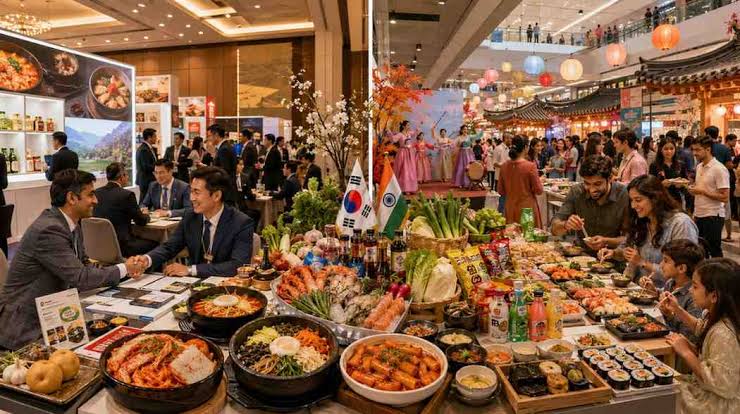
Asian cuisine has become increasingly popular across Europe, transforming the way people explore food and discover new flavours. From traditional Chinese noodles and Japanese sauces to Indian spices, Korean snacks, and Thai ready-to-eat meals, consumers are showing growing interest in authentic Asian products. This rising demand has created exciting opportunities for food producers, distributors, and retailers throughout the European market.
An Asian food manufacturer Europe businesses can rely on must understand both traditional food practices and modern European consumer expectations. Producing quality products while maintaining authentic flavours is essential for building long-term relationships with customers and business partners.
Growing Demand for Asian Food Products Across Europe
European consumers are becoming more adventurous with their food choices. Asian restaurants, supermarkets, online grocery stores, and speciality food retailers have introduced people to a wider variety of international ingredients and products.
Products such as instant noodles, rice, sauces, cooking pastes, frozen dumplings, snacks, and ready-made meals are becoming familiar items in many European households. Younger consumers, in particular, enjoy experimenting with different cuisines and recreating restaurant-style dishes at home.
This changing demand encourages manufacturers to expand their product ranges, improve packaging, and develop convenient food options without compromising traditional taste.
Maintaining Authentic Taste and Product Quality
Authenticity is one of the biggest factors influencing the success of Asian food products. Customers often look for the original flavours they have experienced in Asian restaurants or during their travels.
Manufacturers need to carefully select ingredients, follow consistent production methods, and maintain reliable quality standards. Spices, herbs, sauces, and seasonings must be handled properly to preserve their natural characteristics.
For an Asian food supplier in Europe, maintaining product consistency is equally important. Retailers and distributors expect every shipment to meet the same quality standards, regardless of production volume or delivery schedule.
Food Safety and European Market Regulations
Entering the European food market requires more than producing attractive and delicious products. Manufacturers must also follow strict food safety requirements and applicable regulations.
European food businesses need to pay attention to ingredient declarations, allergen information, nutritional labelling, traceability, and hygiene practices. Packaging must provide clear information that helps consumers understand what they are purchasing.
Depending on the product and destination country, additional requirements may apply to imported ingredients, additives, packaging materials, and specific food categories.
Following these standards helps manufacturers build credibility and establish stronger relationships with European distributors.
Innovation in Packaging and Product Development
Modern consumers appreciate products that combine convenience, quality, and attractive presentation. As a result, packaging has become an important part of the Asian food industry.
Manufacturers are exploring resealable pouches, recyclable materials, smaller serving sizes, and easy-to-prepare meal solutions. These developments make Asian food products more accessible to busy households and younger customers.
Product innovation also includes healthier alternatives, reduced-sodium options, plant-based meals, and products suitable for different dietary preferences.
By understanding changing consumer habits, manufacturers can introduce products that appeal to a broader audience while preserving their cultural identity.
Building Strong Distribution Networks
Successful growth in Europe depends heavily on reliable distribution. Food manufacturers need effective partnerships with wholesalers, supermarkets, speciality retailers, restaurants, and online grocery platforms.
A well-organised supply chain helps ensure products reach customers in good condition and within the expected delivery timeframe. For frozen and refrigerated products, maintaining the correct temperature throughout transportation is particularly important.
Strong communication between manufacturers and distributors also helps businesses manage stock levels, understand market demand, and respond quickly to changing customer preferences.
The Future of Asian Food Manufacturing in Europe
The European market offers significant opportunities for Asian food producers. Growing multicultural communities, international travel, social media food trends, and interest in global cuisines are likely to support continued demand.
Manufacturers that focus on authentic flavours, food safety, sustainable packaging, and consistent quality will be better positioned to compete.
Conclusion
Asian food manufacturing in Europe is an evolving industry shaped by changing consumer preferences and increasing interest in international cuisine. Businesses that combine traditional recipes with modern production techniques can build valuable opportunities across European markets. With reliable quality, regulatory awareness, and strong distribution partnerships, Asian food producers can continue bringing authentic flavours to households throughout Europe.


